State of XR Analytics 2025
120-program benchmark of analytics maturity in spatial computing.
Mar 2025Read →
News, analysis and research on spatial computing, immersive UX, accessibility and enterprise XR — from Vision Pro to Android XR.
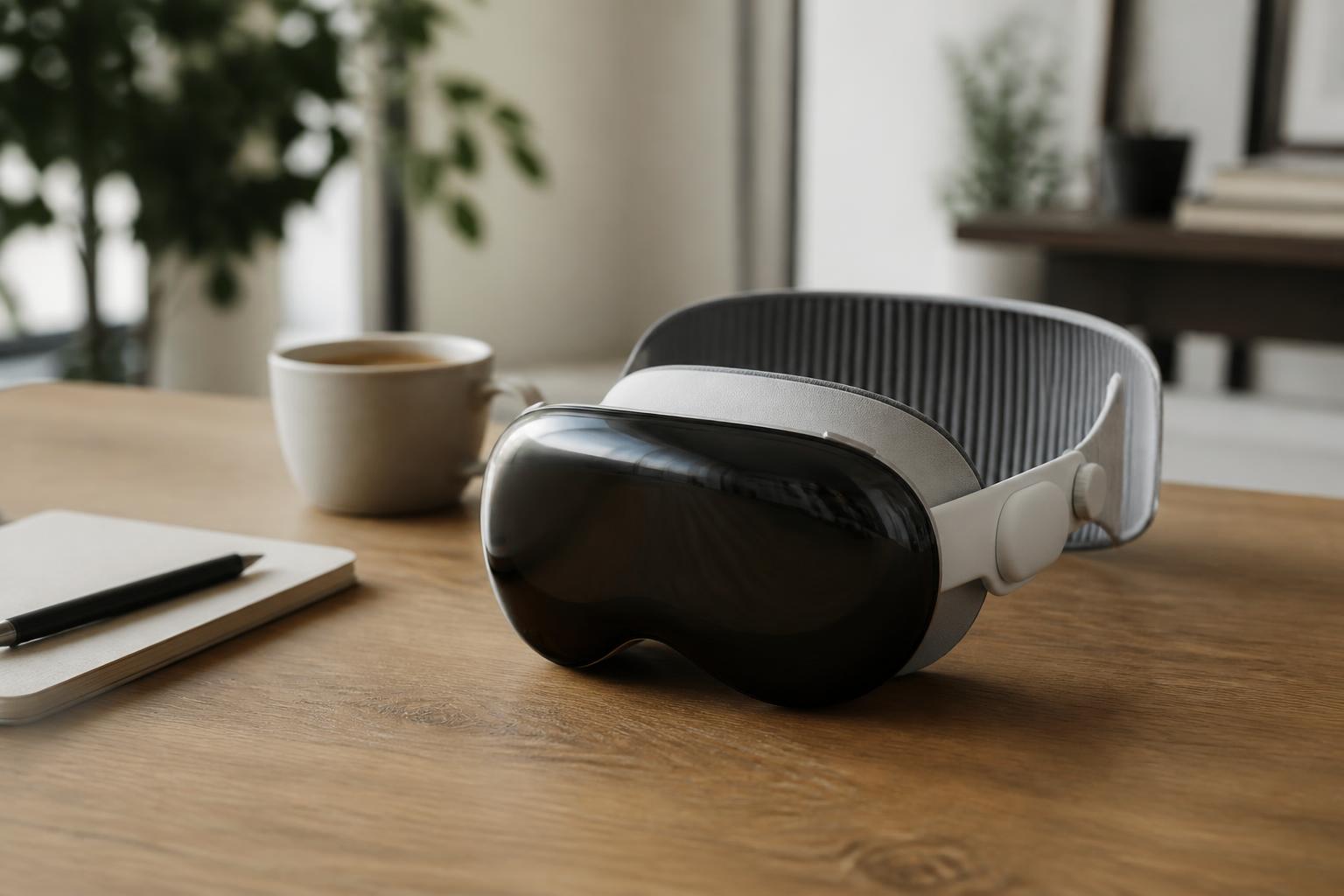

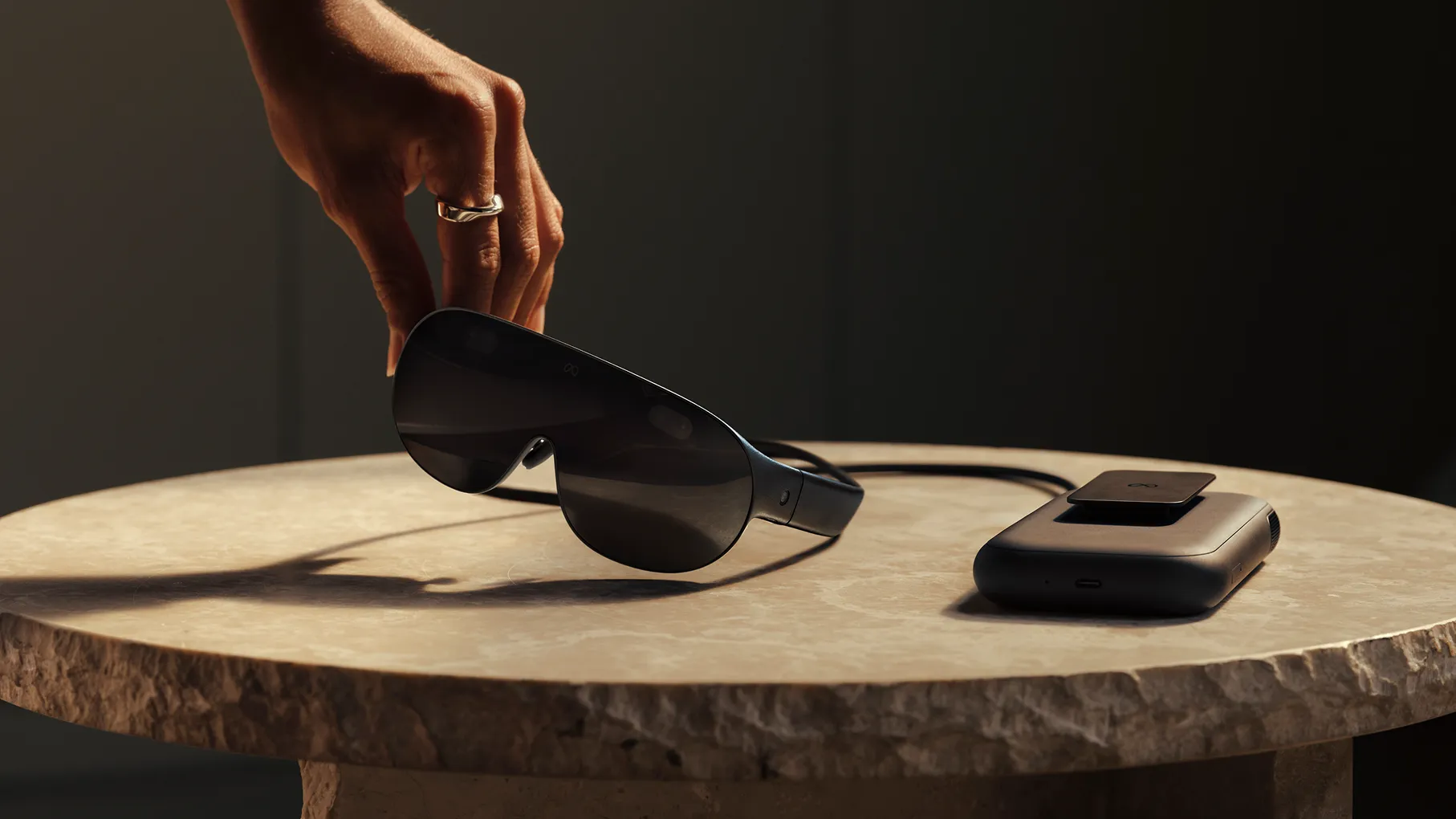
Meta has officially unveiled Meta VR Glasses, a 100-gram VR device that moves processing and battery into an external puck. Launching in spring 2027 for $1,299.99, it combines eye and hand tracking, micro-OLED displays and the Meta Quest ecosystem in a radically lighter form factor.
Three short reads that explain what spatial computing is, the companies shaping it and the vocabulary you'll see everywhere.
A plain-English explainer — devices, use cases and why it matters.
Read storyThe platforms, headset makers and studios defining the market.
Read storyPresence, passthrough, OpenXR, anchors — the terms, explained.
Read storyMeta has officially unveiled Meta VR Glasses, a 100-gram VR device that moves processing and battery into an external puck. Launching in spring 2027 for $1,299.99, it combines eye and hand tracking, micro-OLED displays and the Meta Quest ecosystem in a radically lighter form factor.
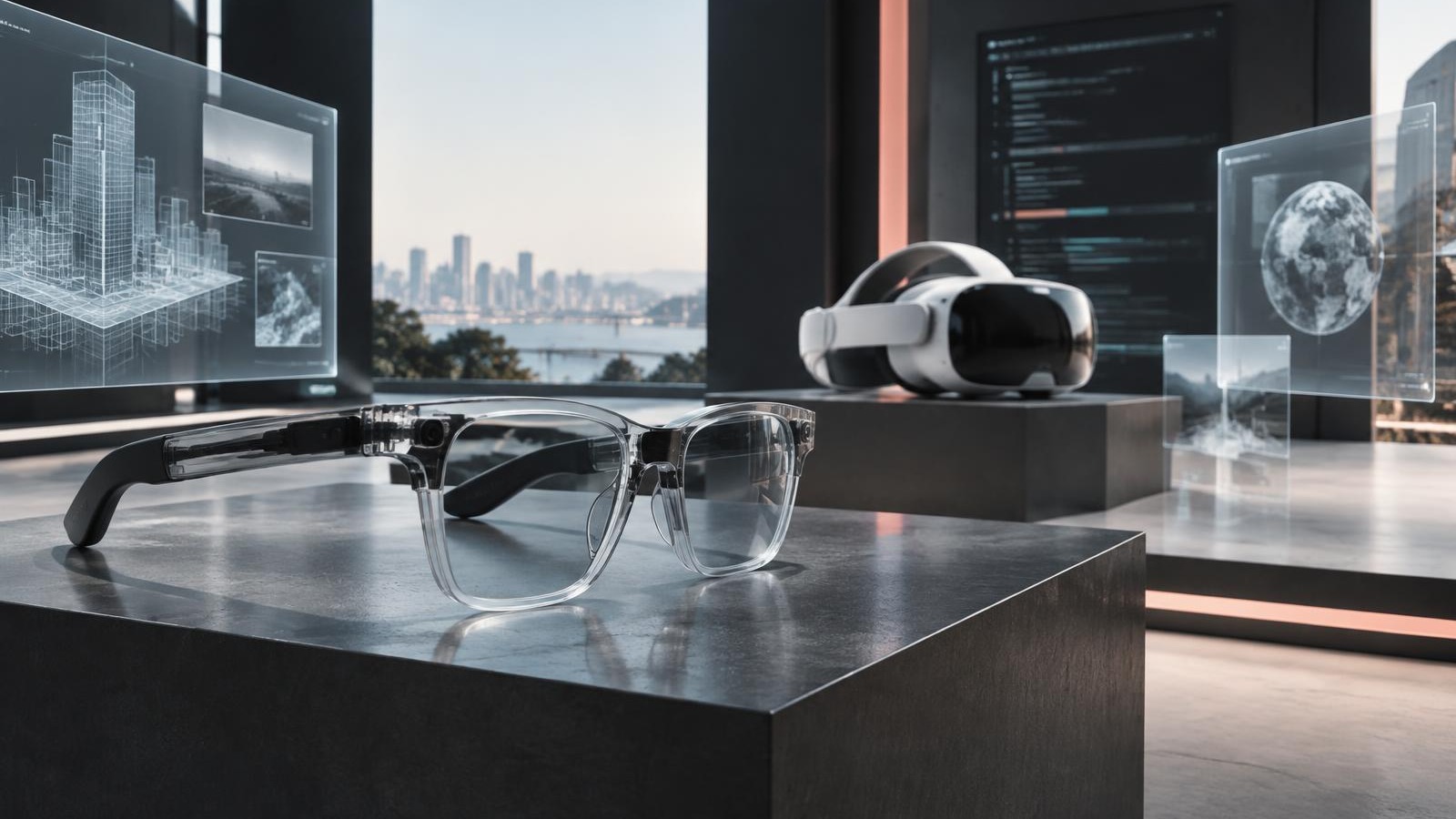
Meta Connect 2026 takes place September 23–24 with AI glasses, VR, Meta Horizon and AI technologies at the center of the event. Beyond potential hardware announcements, Meta is also preparing developers for new ways to build software across wearables and immersive environments.
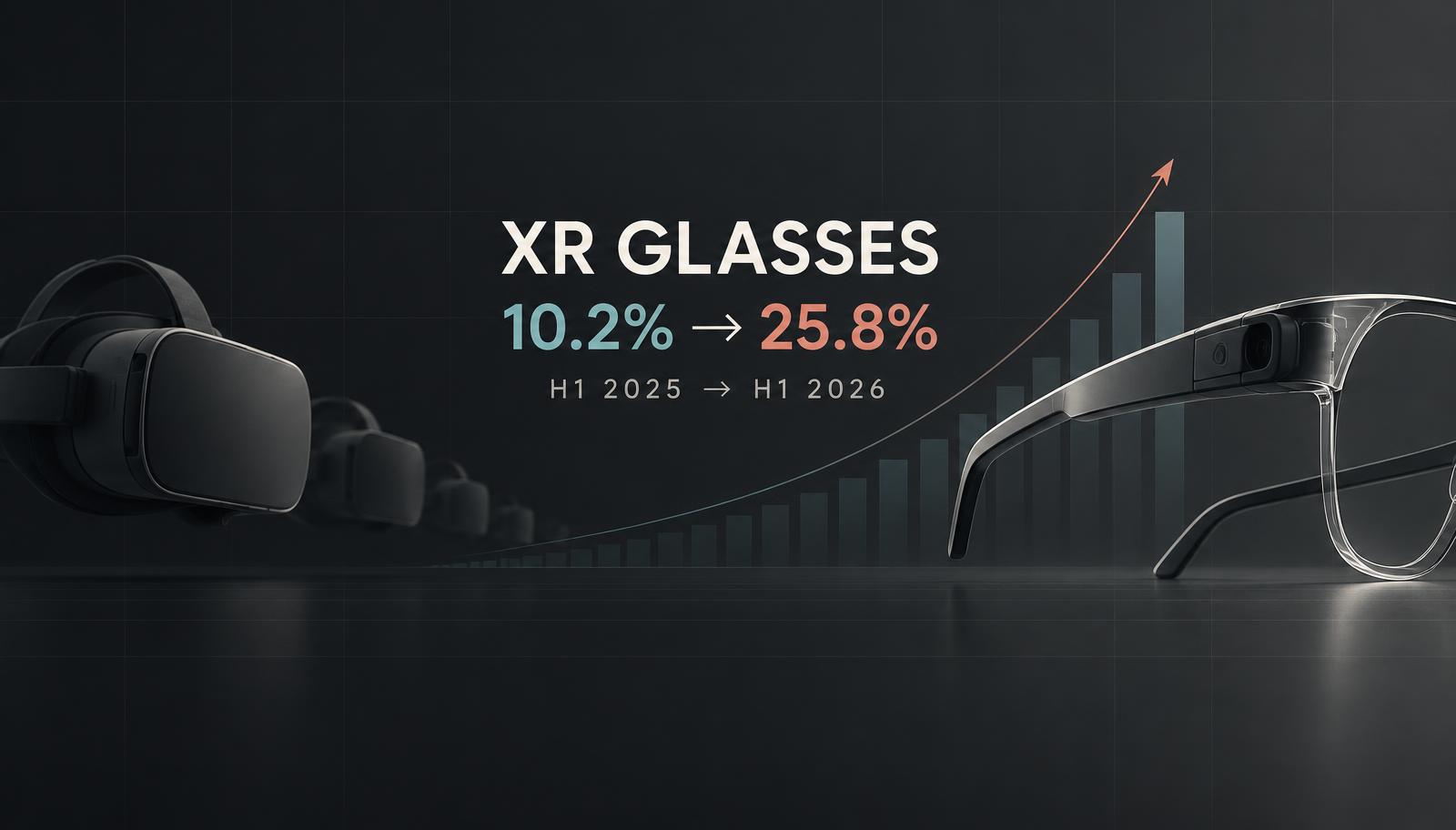
New Omdia data shows a major shift inside the XR hardware market. Global XR headwear shipments fell 38.7% year over year in the first half of 2026, but XR glasses more than doubled their share of the category as consumers increasingly favor lighter, lower-friction devices.
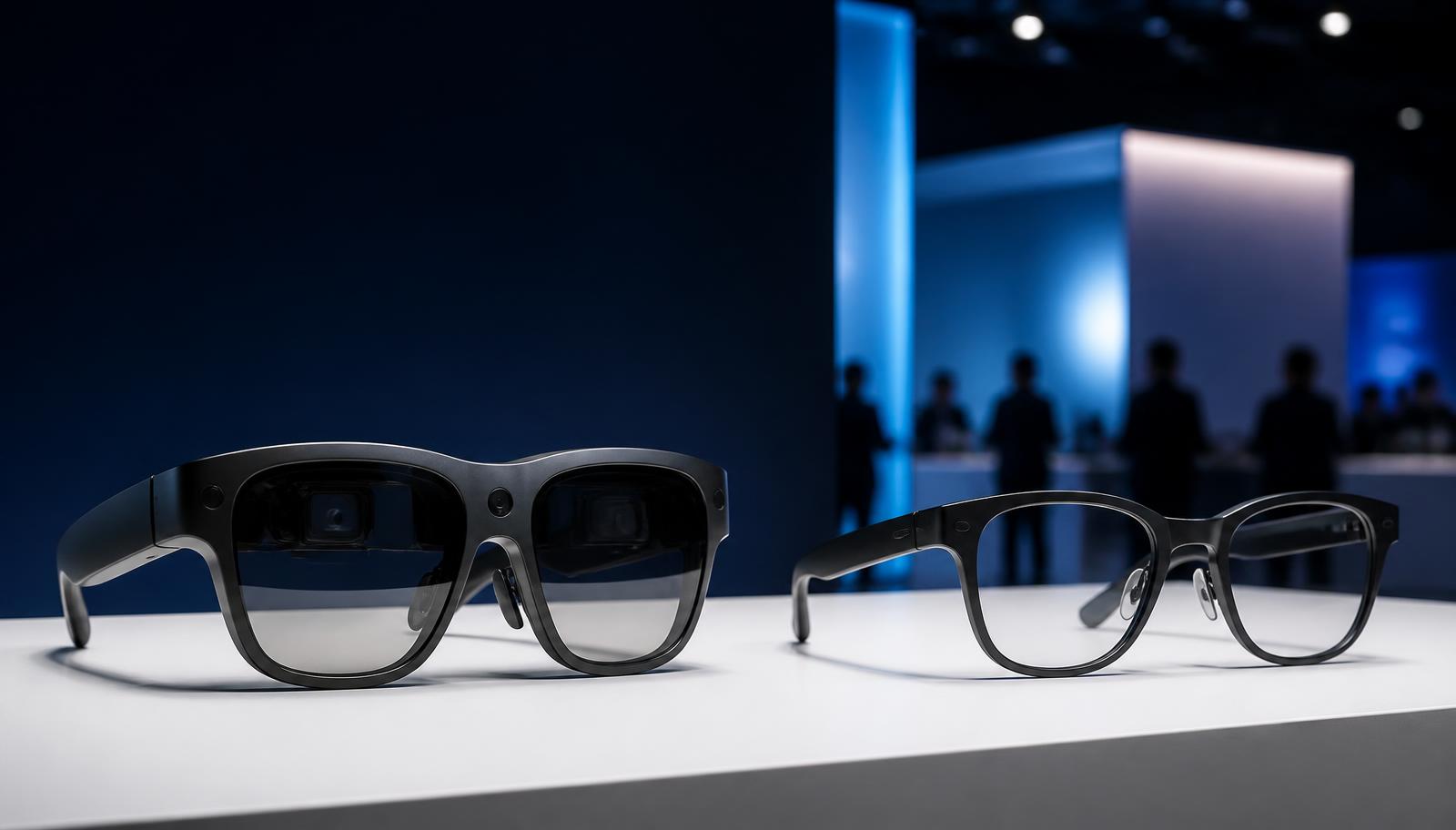
RayNeo has brought two very different approaches to wearable spatial computing to IFA 2026. The GT Max focuses on cinematic AR with a 59° field of view and Dolby Vision, while the 33-gram iO explores lightweight, camera-free AI assistance for everyday use.

Google Research has introduced AgentHands, an LLM-powered XR prototype that gives AI assistants synchronized virtual hands able to point, demonstrate actions and interact with objects in physical space.
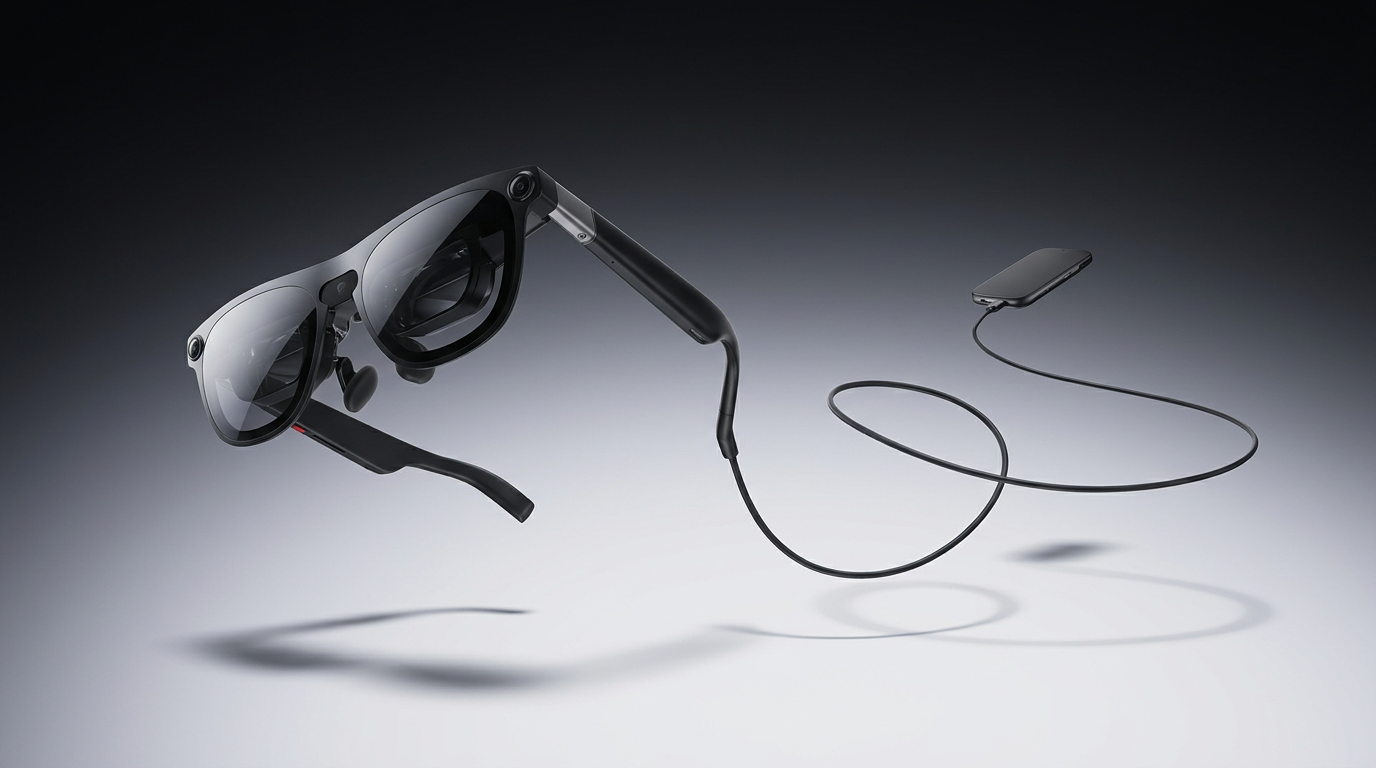
XREAL AURA has passed 10,000 global reservations before reaching the market. The spatial computing glasses pair Android XR, Google Gemini, a 70° field of view and a separate compute puck, signalling early demand for lighter XR devices.
New Omdia data shows a major shift inside the XR hardware market. Global XR headwear shipments fell 38.7% year over year in the first half of 2026, but XR glasses more than doubled their share of the category as consumers increasingly favor lighter, lower-friction devices.

Early in-field data suggests spatial computing sessions cluster into three distinct attention patterns — with concrete implications for immersive UX design.
Why most enterprise XR pilots stall at procurement — and what mature spatial computing programs do differently when they scale.
120-program benchmark of analytics maturity in spatial computing.
A 32-point rubric applied to leading immersive products.
Field study across manufacturing, healthcare and retail deployments.
Multi-site research on attention patterns in spatial computing.
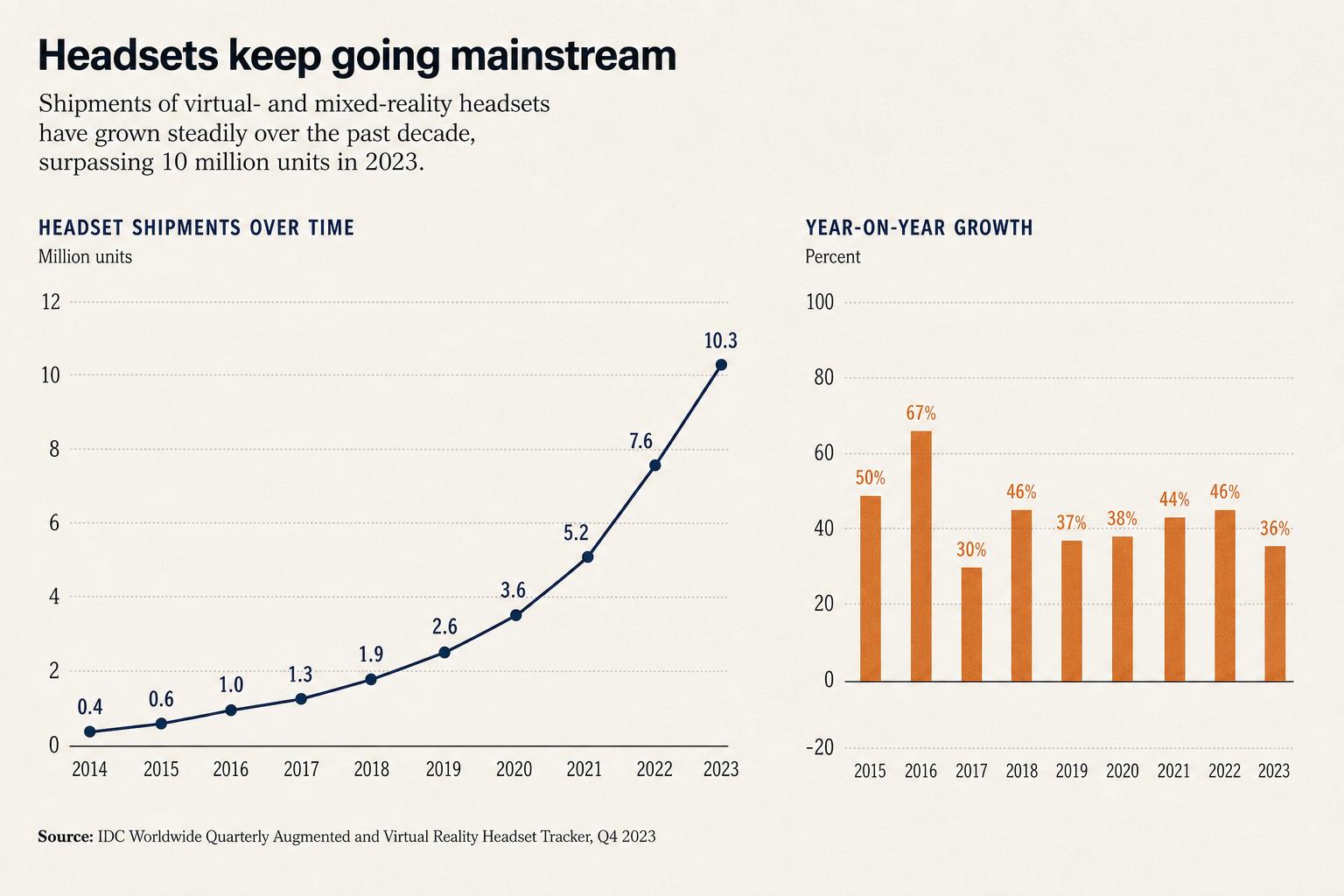
A foundational primer on the events, metrics and frameworks behind measuring spatial computing experiences — from sessions to gaze and presence.
Presence is the most cited — and least defined — metric in spatial computing. Here's how product teams operationalize it across Vision Pro and Quest.
Spatial heatmaps require a different mental model than web heatmaps. We break down gaze, dwell and locomotion overlays for spatial computing.
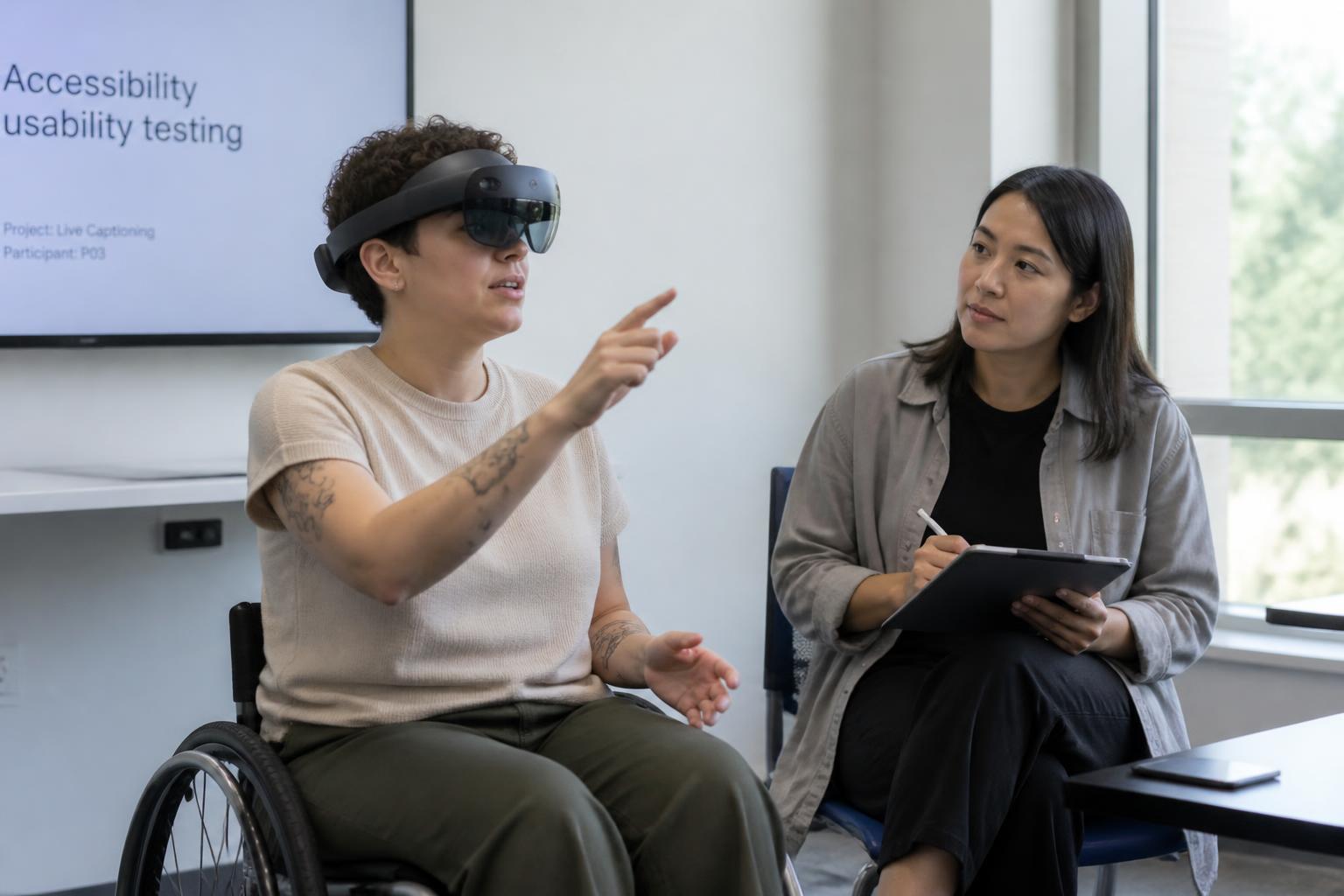
Captioning, input remapping, motion comfort and cognitive load — a working accessibility checklist for spatial computing product teams.